

Field notes from the shop floor.
Written by engineers who were standing next to the machine. No vendor abstractions — just what actually goes wrong in plants, and what fixing it looks like.
Articles open on the KNEO blog in a new tab
Latest insights

Your OEE number is almost certainly wrong — here's why that matters
Most reported OEE figures are reconstructed from memory and rounded upward. The gap between the reported number and the real one is where your capacity is hiding.
Read the article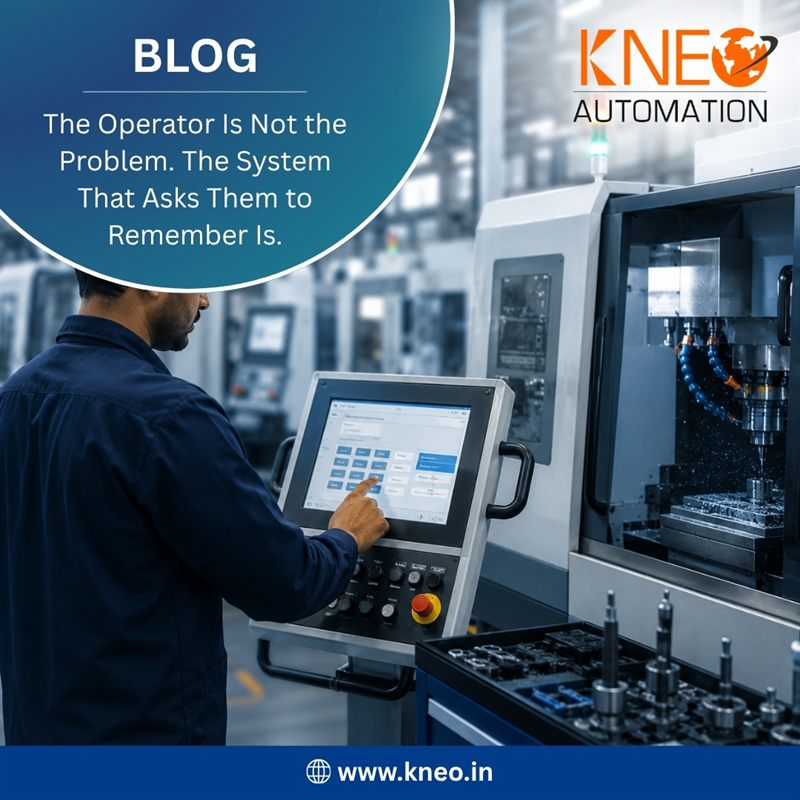
The operator is not the problem. The system that asks them to remember is.
When data capture depends on someone writing it down at the end of a shift, the data will be wrong. That is a design fault, not a discipline problem.
Read the article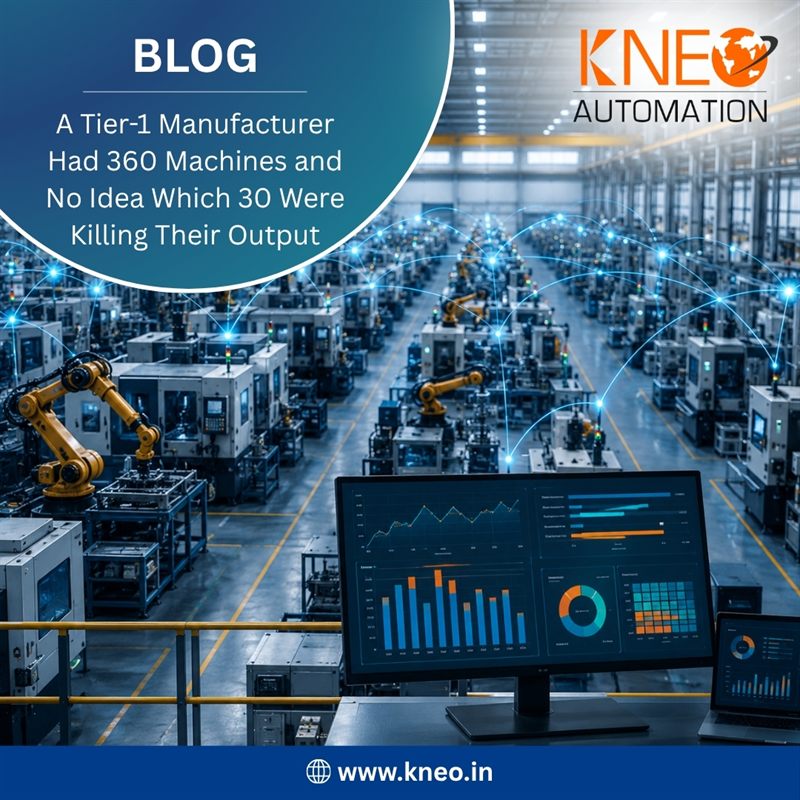
A Tier-1 manufacturer had 360 machines and no idea which 30 were killing their output
Improvement effort spread evenly across a plant achieves almost nothing. Finding the constrained assets first changes the arithmetic completely.
Read the article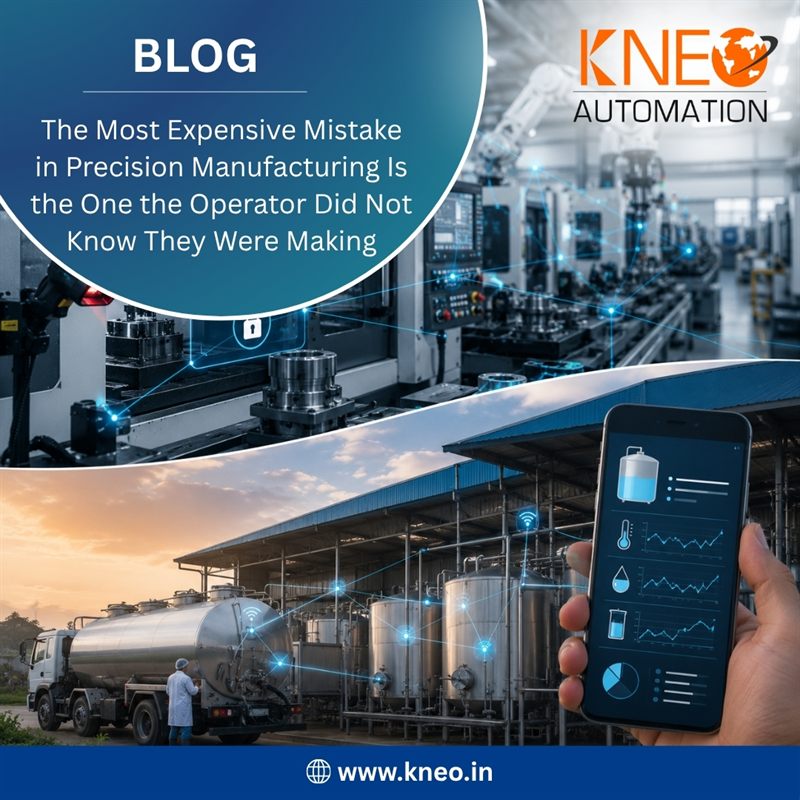
The most expensive mistake in precision manufacturing is the one the operator did not know they were making
Error-proofing works when the system refuses the wrong action, not when a work instruction warns against it.
Read the article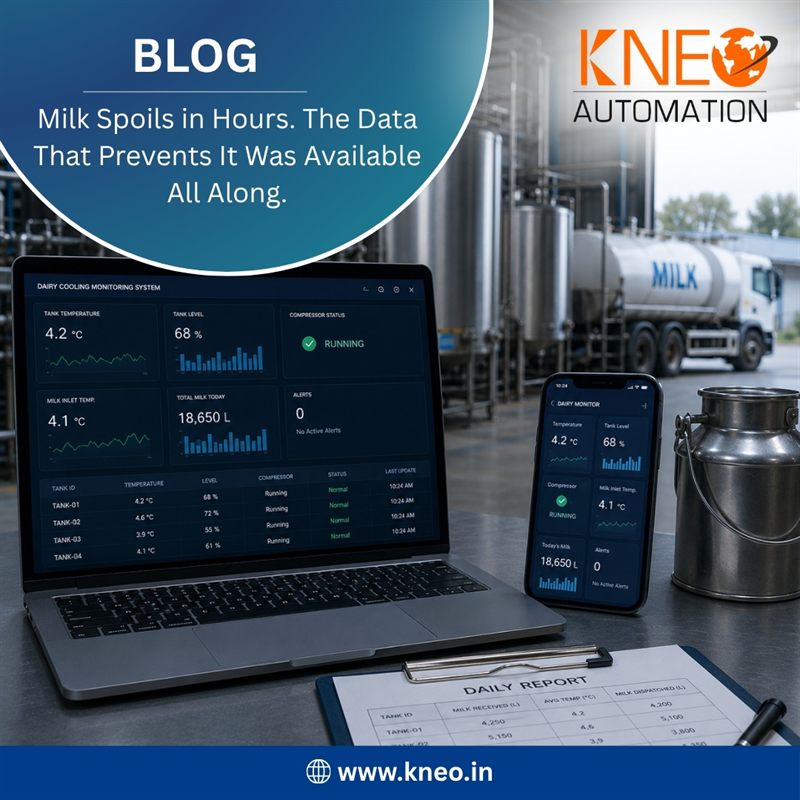
Milk spoils in hours. The data that prevents it was available all along.
Cold-chain losses are rarely a refrigeration failure. They are a monitoring failure that nobody noticed until the product was already gone.
Read the article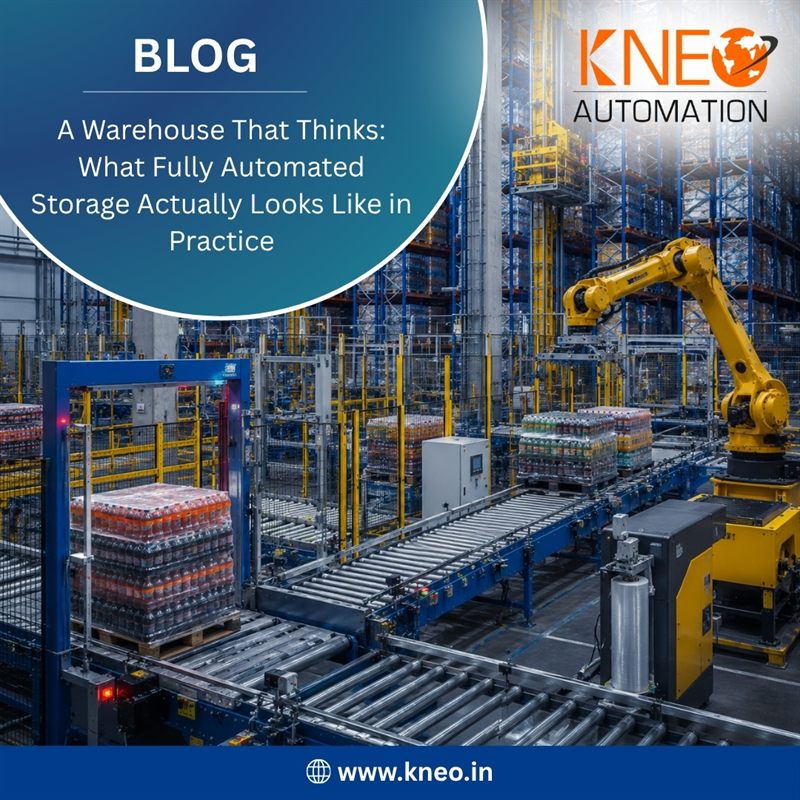
A warehouse that thinks: what fully automated storage actually looks like in practice
ASRS is not a shelving upgrade. It changes how inventory, labour and order profiles interact — and it exposes every assumption in your WMS.
Read the article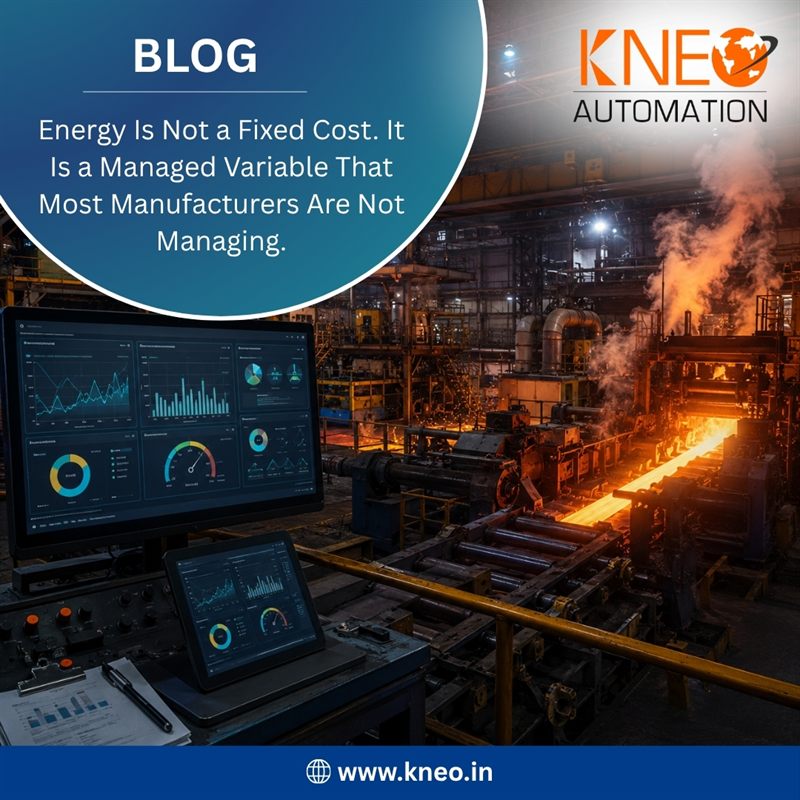
Energy is not a fixed cost. It is a managed variable that most manufacturers are not managing.
Sub-metering at machine level turns the utility bill from a monthly surprise into an operational lever.
Read the article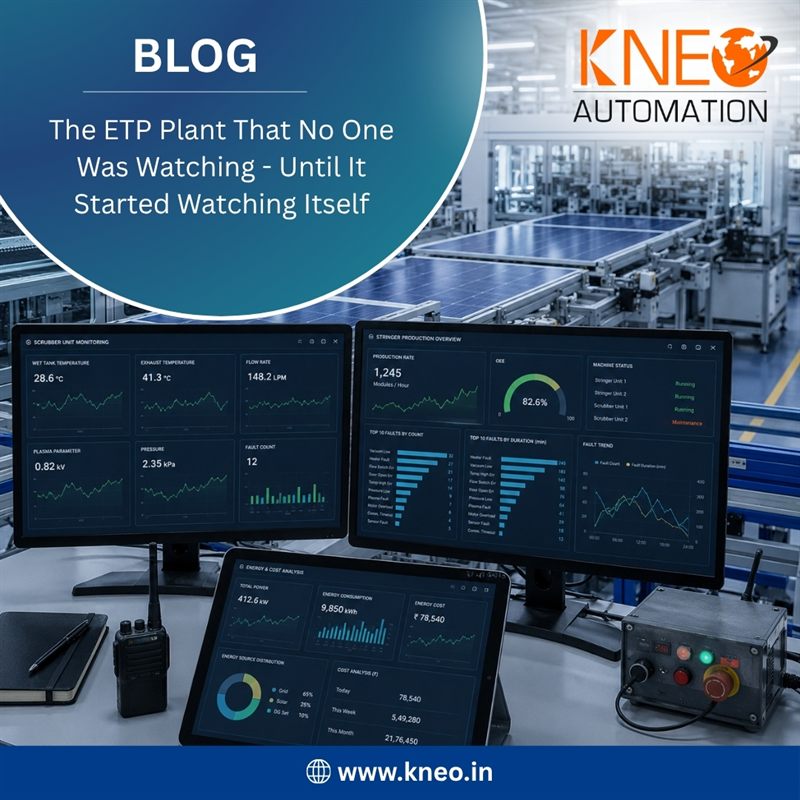
The ETP plant that no one was watching — until it started watching itself
Effluent treatment is a compliance risk that runs unattended most of the day. Continuous monitoring changes the exposure profile entirely.
Read the article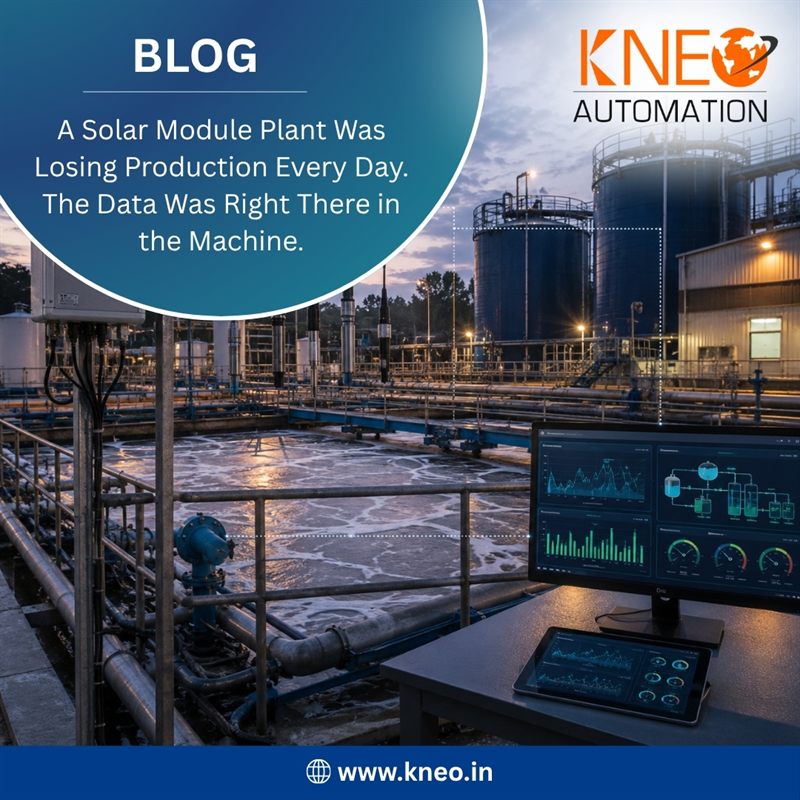
A solar module plant was losing production every day. The data was right there in the machine.
Degradation signals precede failure by days. They only help if something is reading them continuously.
Read the article
Five industries, one pattern: why visibility is always the first problem to solve
Automotive, dairy, pharma, warehousing, process. Different equipment, identical first failure — nobody can see what the line is really doing.
Read the article
When a customer calls with a quality problem, how long does it take to find the answer?
Monday morning, 9:15am. A customer quality engineer is on the phone about a part that shipped three weeks ago. The question is specific and immediate.
Read the article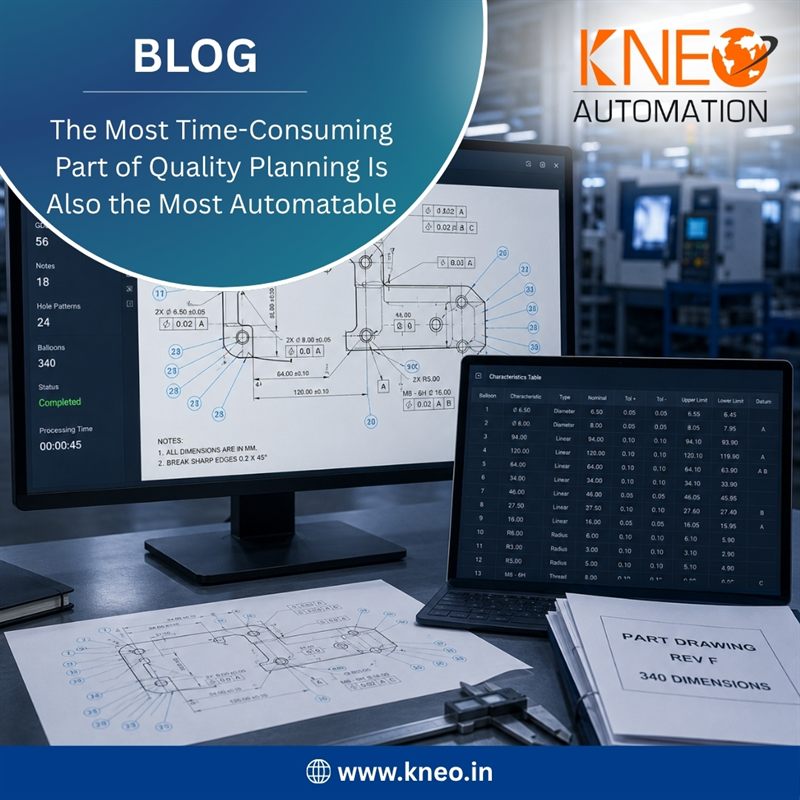
The most time-consuming part of quality planning is also the most automatable
340 dimensions. Multiple GD&T callouts. Revision F — meaning five previous revisions, each with its own change history to reconcile.
Read the article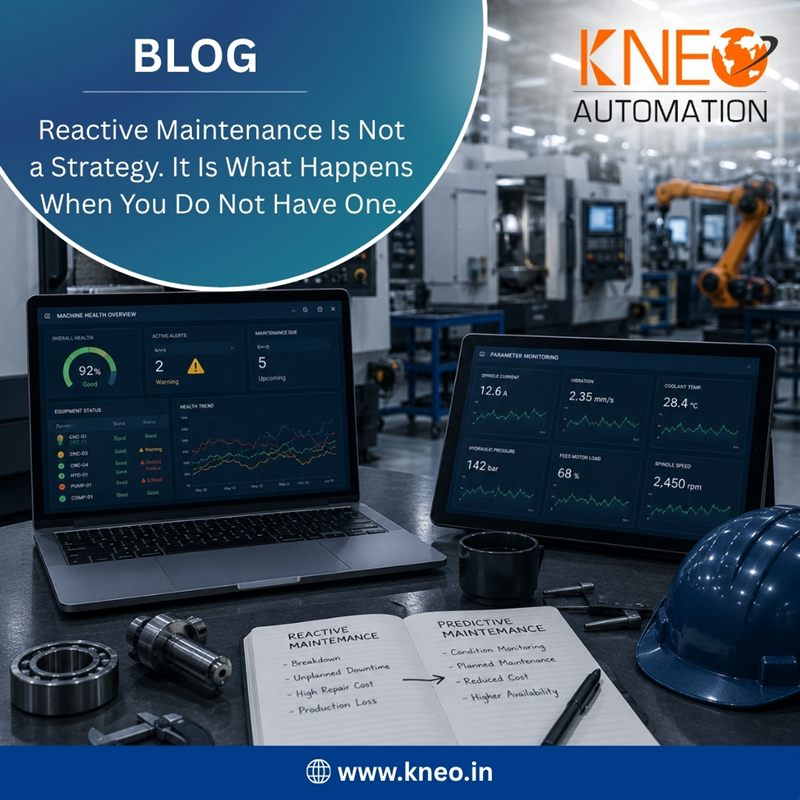
Reactive maintenance is not a strategy — it is what happens when you do not have one
There is a version of the reactive maintenance argument that sounds reasonable: if the machine is running, why spend money maintaining it?
Read the article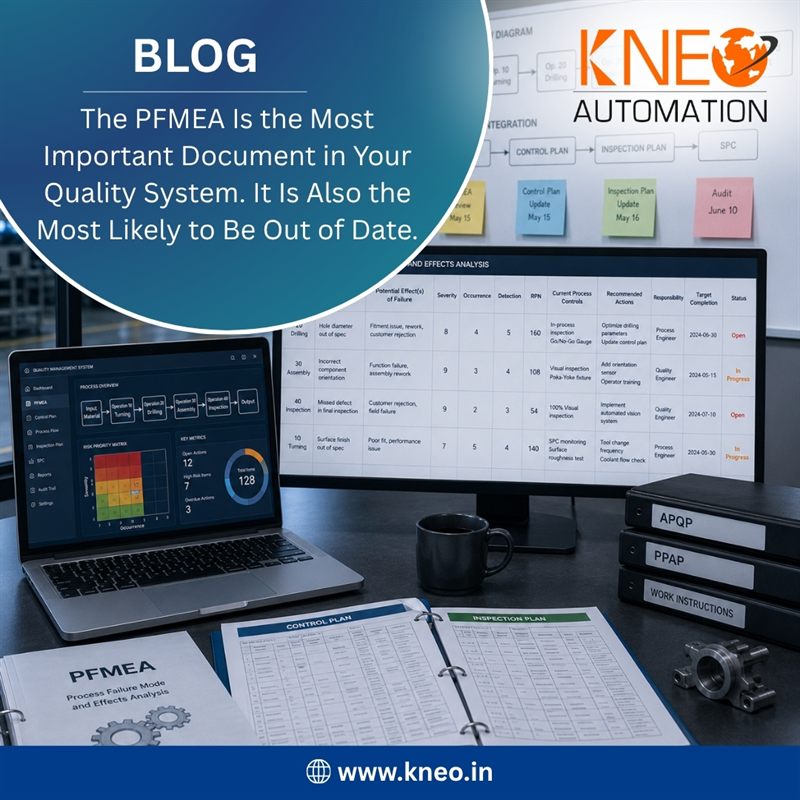
The PFMEA is the most important document in your quality system — and the most likely to be out of date
When was your PFMEA last updated? Not signed off during the APQP. Not reviewed in a customer audit. Actually updated.
Read the article
The technology is ready. The harder question is whether your organisation is.
Twenty-four years of delivering automation and digitalisation projects produces a reliable sense of which implementations will succeed.
Read the articleAll fifteen articles are published here. Have a plant problem that looks like one of these? Talk to our team →
Recognise your plant in any of these?
Most of these articles started as a customer conversation. Yours could be the next one.